
Planning a Successful Convention: AV and Event Management Best Practices
Planning a successful convention requires much more than booking a venue and sending invitations. Large conferences and conventions involve countless moving parts, from attendee registration and scheduling to audiovisual production, staging, lighting, and technical coordination. Whether you are organizing a corporate convention, industry trade show, annual association meeting, or multi-day conference, proper conference management and AV planning are essential for creating a seamless attendee experience.
Today’s convention attendees expect professional production quality, engaging presentations, reliable technology, and smooth event execution. Poor audio, technical delays, confusing schedules, or ineffective communication can negatively impact the entire experience. That is why successful conventions rely heavily on experienced event management teams and professional conference AV services.
Start Convention Planning Early
One of the most important convention management best practices is starting the planning process as early as possible. Large-scale conventions often require months of preparation to coordinate venues, vendors, speakers, technical equipment, and event logistics.
Early planning allows organizers to secure preferred venues and event dates, coordinate AV equipment availability, develop floorplans and staging layouts, plan breakout rooms and session schedules, identify power and internet requirements, and prepare contingency plans for technical challenges.
The earlier AV and event production teams are involved, the easier it becomes to create a cohesive event strategy that supports both attendee engagement and operational efficiency.
Prioritize Professional Conference AV Services
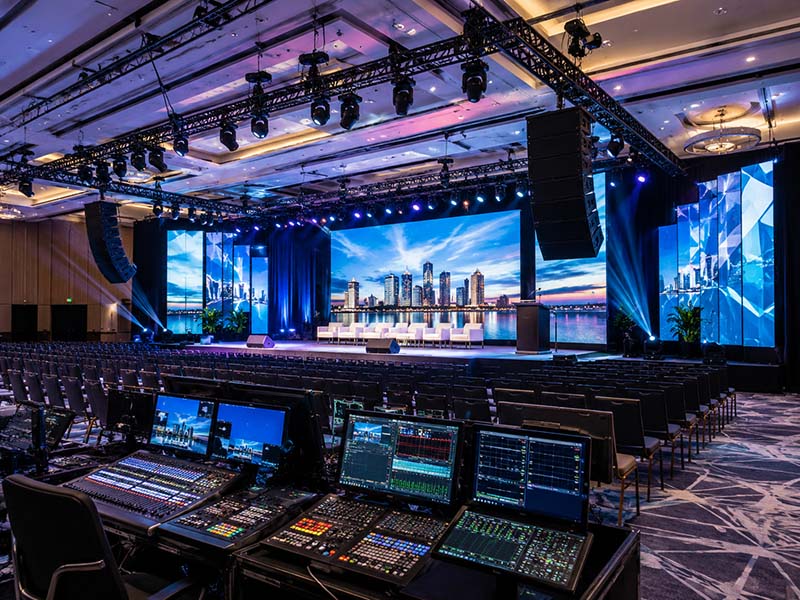
Professional conference AV services play a central role in the success of any convention. Audio, video, lighting, staging, and live production elements all work together to shape the attendee experience.
Clear audio is especially important in large conference environments. Attendees need to hear keynote speakers, breakout sessions, panel discussions, and presentations without distractions or inconsistencies. Professional conference AV systems ensure balanced sound coverage throughout the venue while minimizing feedback and technical issues.
Visual presentation quality is equally important. Large-format projection systems, LED video walls, confidence monitors, and presentation switching systems help ensure attendees can clearly view presentations and multimedia content from anywhere in the room.
Professional AV services may also include wireless microphone systems, livestreaming support, multi-camera video production, stage lighting design, recording and playback systems, technical operators, and onsite support. When integrated properly, these technologies create a polished, professional event environment that improves attendee engagement and overall event success.
Design the Convention Around the Attendee Experience
Successful convention management always prioritizes the attendee experience. Every aspect of the event should be designed to make navigation, communication, participation, and engagement as smooth as possible.
Important attendee-focused considerations include clear event signage and wayfinding, comfortable seating layouts, reliable Wi-Fi connectivity, easy registration and check-in processes, accessible breakout rooms, and mobile-friendly schedules.
Lighting, staging, and room design also influence attendee comfort and engagement. Proper stage lighting helps attendees focus on presenters, while thoughtful room layouts improve visibility and audience interaction. A well-organized convention creates a more enjoyable experience for attendees and reflects positively on the hosting organization.
Plan for Hybrid and Virtual Attendees
Hybrid conventions continue to grow in popularity as organizations seek to expand attendance and improve accessibility. Many conventions now include both in-person and remote participants, making hybrid event planning a critical component of conference management.
Professional AV and event technology teams help ensure remote attendees remain fully engaged through high-quality livestreaming, multi-camera production, live audience interaction tools, virtual breakout sessions, real-time Q&A moderation, and remote presenter integration.
Lighting and audio become even more important during hybrid events because cameras and livestream platforms require professional production quality to maintain engagement. Organizations planning hybrid conventions often benefit from partnering with an experienced event technology company that understands both in-person event production and virtual audience management.
Coordinate AV, Lighting, and Staging Together
One common mistake during convention planning is treating audio, video, lighting, and staging as separate components. In reality, these elements work together to create a cohesive production environment.
Stage lighting affects camera quality and audience visibility. Video screens influence stage layout and sightlines. Audio systems must accommodate room acoustics and presentation formats. Staging impacts audience flow and presenter movement.
Integrated event production planning helps prevent technical conflicts while creating a more polished and visually impressive event experience. An experienced conference AV provider can help coordinate all technical elements to ensure smooth execution from setup through the final session.
Conduct Thorough Technical Rehearsals
Technical rehearsals are one of the most valuable investments during convention planning. Even well-organized events can encounter problems if presentations, microphones, lighting cues, or video playback systems are not properly tested beforehand.
A comprehensive rehearsal allows AV teams to test all equipment and signal paths, verify presentation compatibility, adjust audio levels, program lighting transitions, confirm livestream quality, and practice speaker transitions and timing.
Rehearsals also help presenters feel more comfortable and confident before the event begins.
Have Experienced Onsite Technical Support
Conventions involve countless technical details that require active management throughout the event. Having experienced onsite AV technicians and event managers ensures problems can be addressed quickly before they impact attendees.
Professional technical support teams handle audio mixing, video switching, lighting operation, presentation management, equipment troubleshooting, and session transitions. This level of support allows presenters, organizers, and attendees to remain focused on the event itself rather than technical concerns.
Use Technology to Increase Engagement
Modern convention management increasingly relies on interactive technology to improve attendee participation and engagement.
Popular convention technologies include event mobile apps, live polling systems, audience Q&A platforms, interactive displays, digital signage, and social media integrations. These tools encourage attendee interaction and help create more engaging conference experiences.
Partner with an Experienced Event Technology Company
Successful conventions require careful coordination between event management, AV production, staging, lighting, and attendee experience planning. Partnering with an experienced event technology company helps ensure all of these elements work together seamlessly.
At FDC Event Technology, we provide professional conference AV services, event management support, hybrid event production, lighting design, staging, and technical coordination for conventions, corporate meetings, conferences, and live events. Our team helps organizations create polished, engaging event experiences that leave lasting impressions on attendees.
If you are planning an upcoming convention or conference, contact FDC Event Technology to learn how our AV and event production solutions can help make your event a success.